


How much do gym owners make? A realistic look at the numbers


Search "how much do gym owners make" and you will find answers from $30,000 to $200,000, often on the same page. Both can be true. Typical US survey figures cluster between roughly $50,000 and $90,000 a year, but the honest answer is that owner income is built, not assigned. This guide covers what the data says, why it varies so wildly, and what real gym owners have done to move their own number.
How much do gym owners make according to the data
The most commonly cited figures come from large salary databases, and they should be read as rough markers rather than promises:
- Government data: The US Bureau of Labor Statistics reports a median around $79,500 a year for the broader category that includes fitness business managers and owners.
- Self-reported surveys: ZipRecruiter places the national average for gym owners in the mid $80,000s, while other databases such as Glassdoor report averages closer to $80,000.
- The real-life spread: Industry write-ups typically describe a range from under $30,000 for struggling or early-stage gyms to well over $100,000 for mature, well-run businesses.
Treat every one of those numbers with some suspicion. They mix owners with salaried managers, lump boutique studios in with big-box franchises, and rely on self-reporting. What they agree on is the shape of the story: a wide range with the middle somewhere in five figures, and a long tail of owners who do very well.
Why the range is so wide
Four variables explain most of the gap between a $30,000 owner and a $150,000 owner:
- Business model: Coached, membership-based models (small group training, boutique strength, pilates) tend to earn more per member than open-access gyms, because members pay for outcomes and coaching rather than access.
- Location and costs: The same membership price supports very different owner incomes depending on rent and payroll in different locations.
- Maturity: Most gyms need time to fill. Early years often mean modest owner pay while the member base builds.
- Owner involvement: If you run every session and manage all administrative tasks personally, your schedule directly constrains your earnings. True income growth happens when you set up operational systems, allowing the business - rather than hourly work - to generate your income.
Revenue is not salary
The biggest mistake in this conversation is treating gym revenue as owner income. Your pay is what survives the P&L. As an illustrative example, labeled as such: a gym with 200 members at $60 a month collects $144,000 a year. After rent, payroll for two part-time coaches, insurance, equipment upkeep, software, and marketing, the owner might keep $45,000 to $60,000 of that, and less if churn forces constant spending on new-member acquisition.
That is why two owners with identical revenue can live completely different lives. The one with lower churn, better pricing, and fewer wasted admin hours simply keeps more of every dollar. If you have never mapped your own numbers, start with our guide to the financial metrics gym and studio owners need to track.
The five levers that move a gym owner's pay
You cannot control the industry average. You can control these:
- Price for the value you deliver: Underpricing is the most common self-inflicted pay cut in fitness. Discover how to optimize pricing models and introduce rate adjustments smoothly in our guide to setting up a winning pricing strategy.
- Keep the members you already won: Retention is cheaper than acquisition, and every saved member is pure margin. Start with these client retention strategies.
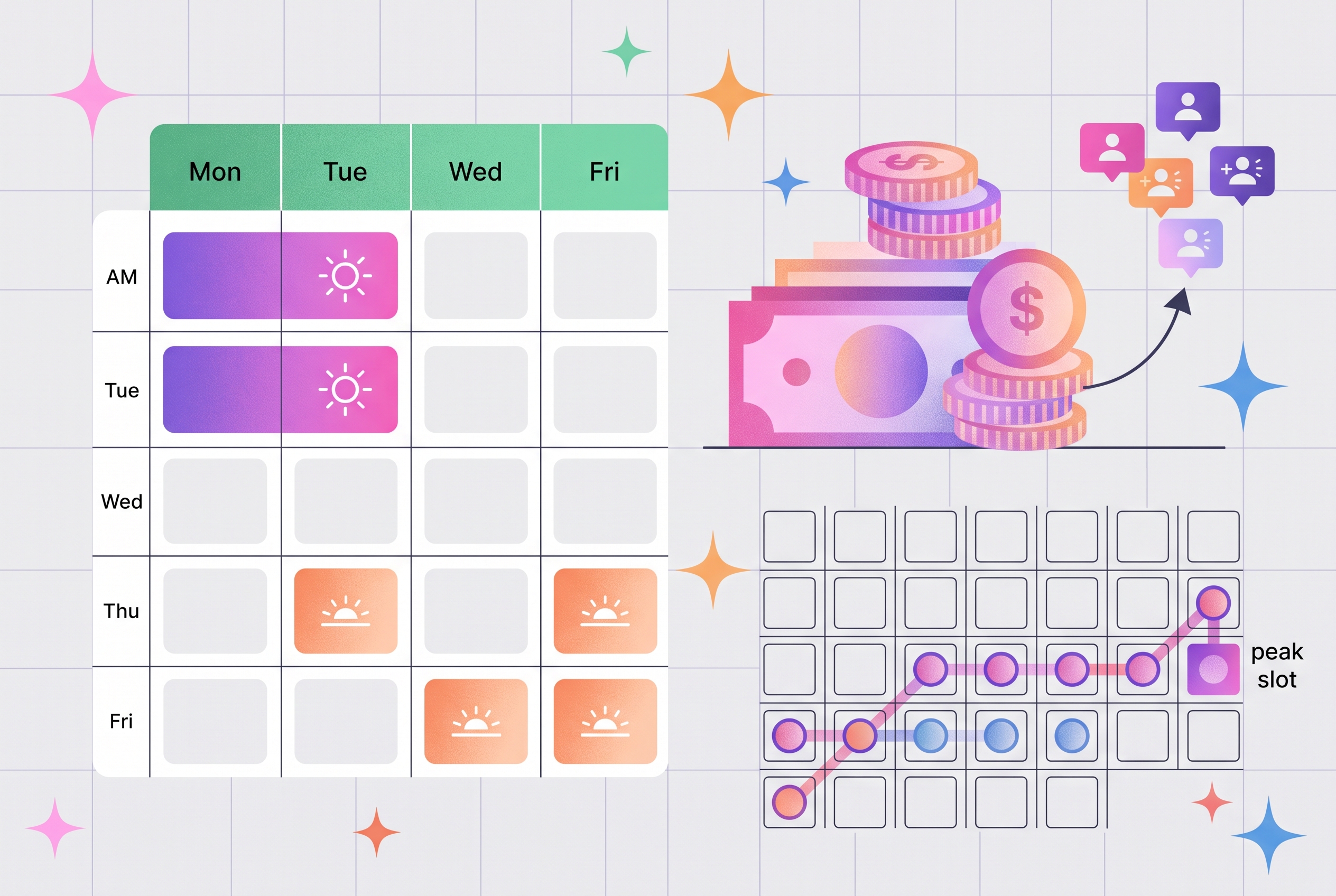
- Fill the capacity you already pay for: A half-empty 6pm class costs you the same coaching hour as a full one.
- Add revenue per member, not only members: Packages, personal training add-ons, and merchandise raise income without raising rent. See how to maximize your bottom line without extra leads.
- Buy your hours back: Every hour of manual bookings, payment chasing, and spreadsheet reporting is unpaid work that produces no revenue.
What raising owner income looks like in practice
A concrete example helps. Strength Clinic Dundrum moved from a pen-and-paper diary to automated payments and AI powered bookings by switching to LegitFit. They grew from 35 to more than 100 clients and took monthly revenue from around €7,000 to roughly €20,000 in under two years - finally tracking the numbers that show what the business can actually pay its owner. There was no magic revenue stream behind it. Pricing, retention, and admin got fixed, and owner pay followed. That is the pattern worth remembering: owner income rises when the fundamentals do, not when a single clever tactic lands.
Where software fits into your paycheck
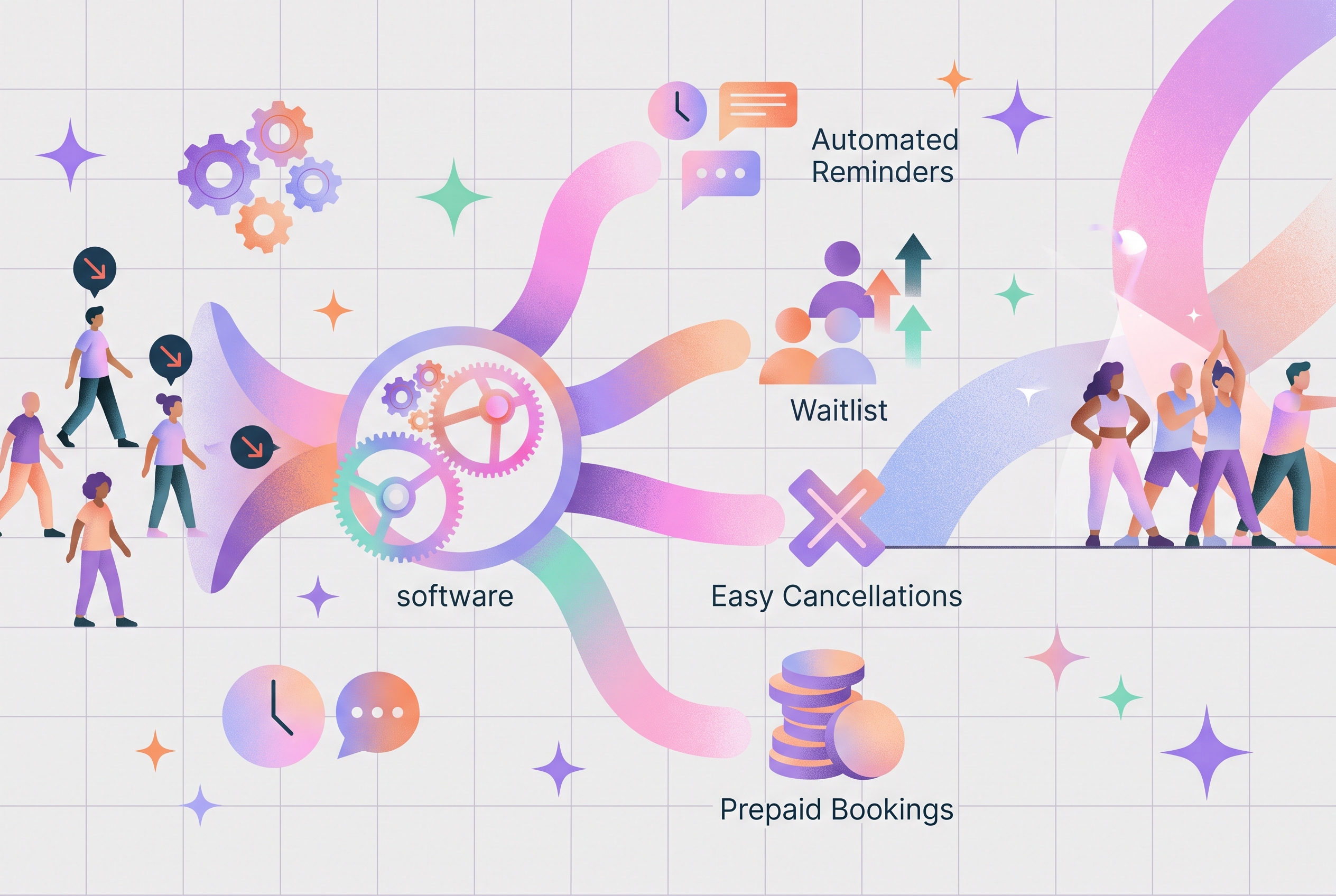
Admin is the quietest tax on owner income. A management platform that handles self-service bookings, automatic recurring payments, failed-payment recovery and revenue reporting removes hours of unpaid work each week and plugs the leaks a spreadsheet hides. The point is less about any one tool than about getting the numbers that decide your salary into one place, so the hours you would spend on evening admin turn back into time spent coaching, growing, or simply going home.
Your income is a design problem, not a lottery
So, how much do gym owners make? Whatever their pricing, retention, capacity, and admin hours allow them to keep. The averages tell you where the industry sits; they say nothing about where your gym has to sit. Pick the lever with the biggest gap, work it for a quarter, and measure what lands in your own column of the P&L.
Frequently Asked Questions
Is being a gym owner profitable?
Yes, but profitability depends heavily on your business model, retention rates, and overhead management. While revenue can be high, actual owner income relies on optimizing margins through efficient systems and strategic pricing.
What are the biggest expenses for a new gym owner?
The most significant costs typically include commercial rent, payroll for staff or coaches, equipment leasing or maintenance, insurance, and software platforms for management and marketing. Managing these overheads effectively is key to increasing take-home pay.
How long does it take for a gym to become profitable?
Profitability timelines vary by location and business model. Many gyms operate with lower owner pay during the initial growth phase while building a member base, often reaching steady profitability once capacity and retention targets are met.



.jpeg)

.jpg)


Helping fitness business from day one
Trusted by fitness professionals worldwide to simplify day-to-day management and accelerate fitness business growth with clear, proven results.
Get demo & pricing