


The benefits of small group training in business for gym & studio owners
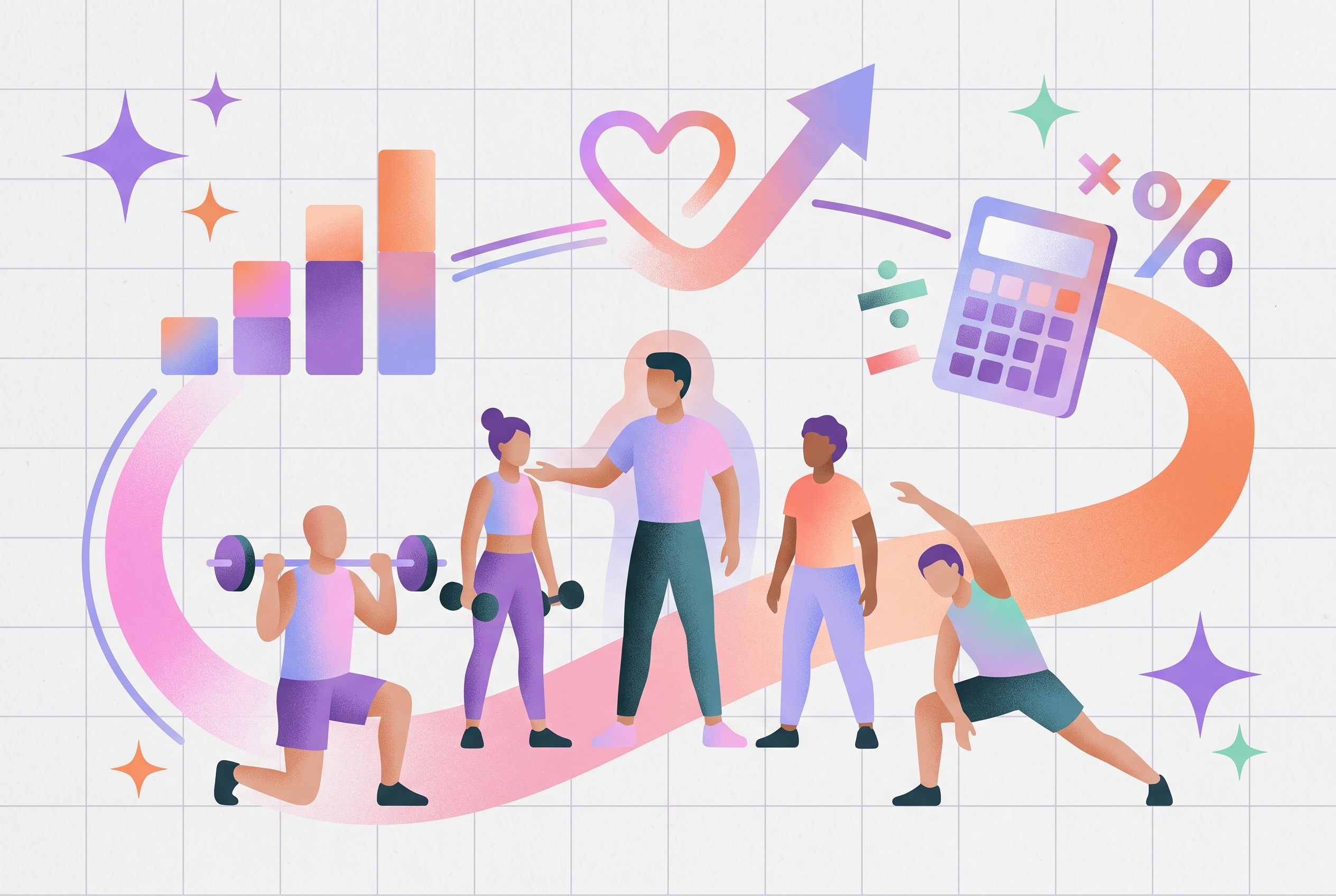

Small group training has quietly become one of the smartest services a fitness business can offer. It sits neatly between one-to-one personal training and big group classes, giving your members proper coaching and a real community, while giving your business better margins and stronger retention. In this guide, we'll break down exactly what small group training is, the benefits of small group training in business for both you and your members, what the numbers can look like, and how to launch it in your gym or studio.
What is small group training?
Small group training (SGT), sometimes called small group personal training (SGPT) or semi-private training, is when one coach trains a small group, usually three to ten people, through a programmed, semi-personalized session. Members still get individual attention and progressions, just at a lower price point than one-to-one PT.
Because the groups are small, your coaches can still correct form, scale exercises up or down, and track each person's progress. In other words, it's personal training with the energy of a class.
Small group training vs personal training vs group classes
The easiest way to understand small group training is to see where it sits between the two models you already know.
That middle column is the sweet spot: enough personalization to get real results, enough people to build community, and healthier economics than either extreme.
The benefits of small group training for your business
For gym and studio owners, small group training solves a familiar problem: how to grow revenue without stretching your team or your space any thinner. Here's how it helps.
- Higher revenue per coaching hour. With one-to-one training, your income is capped by the clock: one coach, one payer. Small group training lets that same coach work with several members at once, so every hour on the floor earns more without burning your team out.
- Stronger member retention. Members who train alongside the same faces week after week don't just stick with the workout, they stick with each other. That accountability and sense of belonging is one of the most reliable ways to reduce churn, and keeping a member is almost always cheaper than finding a new one. (For more on this, see our guide to client retention strategies and the strength of community in small group training.)
- A community that markets itself. Small groups create friendships, and friendships create referrals. A happy, connected group is one of your most cost-effective marketing channels, no ad spend required. (Here are some ideas for building that community.)
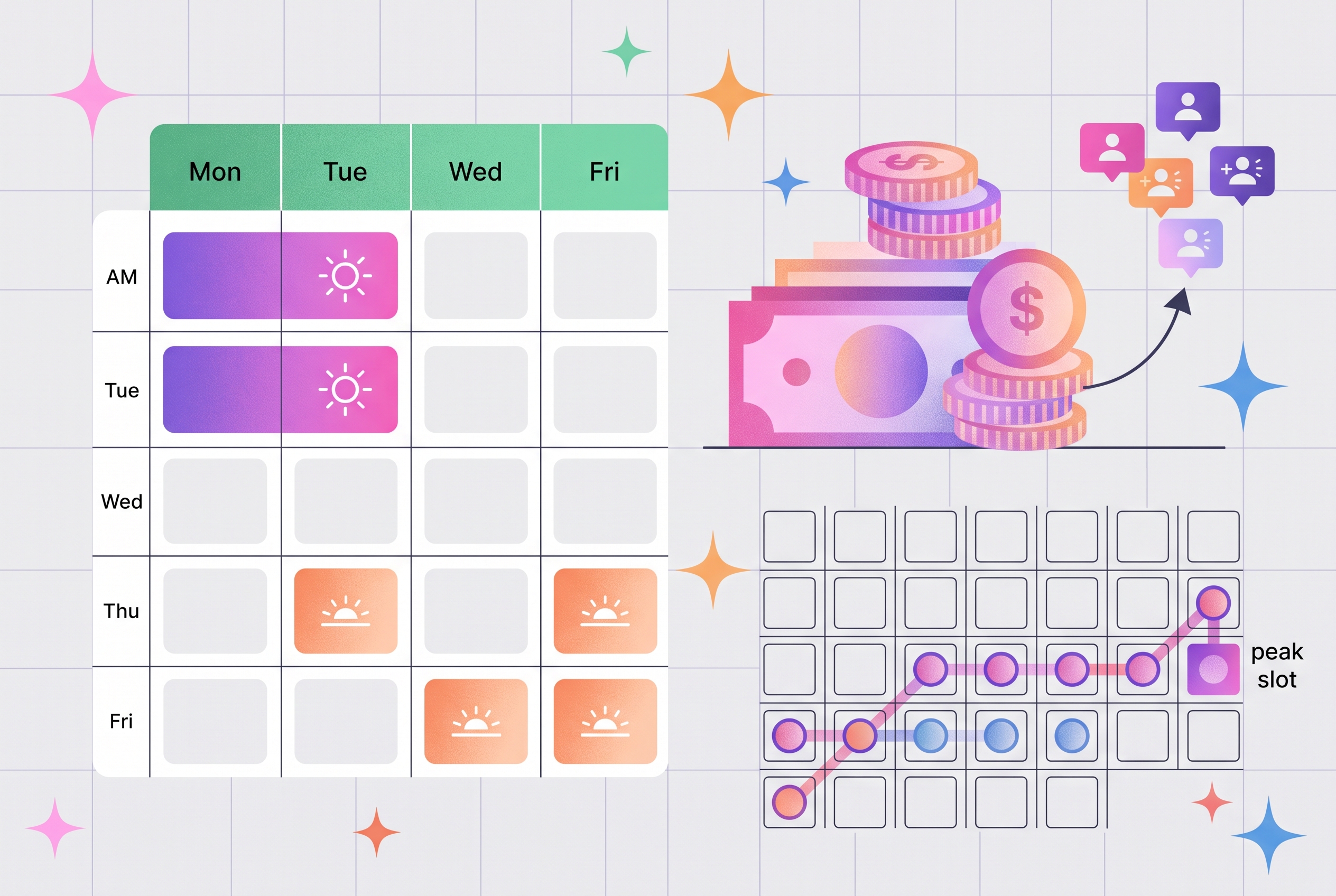
- Better use of your space and quieter hours. Small group sessions let you turn off-peak slots and underused floor space into productive, revenue-generating time, without adding rent, utilities or extra staff.
- A more predictable, scalable business. Selling small group memberships rather than one-off sessions smooths out your cash flow and gives you recurring revenue you can actually plan around. And because a coach isn't tied to a single client, the model scales as you grow. (More on the numbers that matter in our guide to setting up a winning pricing strategy.)
The benefits of small group training for your members
None of the business benefits matter if your members don't love it, and the good news is they usually do.
- It's more affordable than personal training. The cost is shared, so more people can access proper coaching.
- It still feels personal. Coaches scale exercises and correct form for each individual, so no one gets lost in the crowd.
- It's motivating. Training with others builds camaraderie and simply makes showing up easier.
- It gets results, and members can see them. Progress tracking keeps people engaged and coming back.
- It's less intimidating than training solo. The group makes the gym feel welcoming, which is a big deal for beginners taking their first step.
Is small group training profitable?
Yes. Small group training is typically more profitable per coaching hour than one-to-one personal training, because one coach earns from several members at once while still charging a premium over standard classes.
Here's a simplified example to show the model. Say a one-to-one session is $45, and a small group of six members pays $15 each. That's $90 from the group versus $45 from the individual, for the same hour of a coach's time, and your members each pay less than they would for PT. (These are illustrative figures to show how the economics work; your own pricing will depend on your market and costs.)
Common challenges (and how to handle them)
Small group training isn't completely hands-off. A few things are worth planning for.
- It can be harder to sell than a drop-in class. Members need to understand the value, so lead with a free trial or a short challenge and let the results do the talking.
- You're coaching mixed abilities. Use movements that scale up or down, and track each member's progress so everyone feels seen and supported.
- Capacity needs managing. Keeping groups small protects the experience; many owners find four to eight works well. Waitlists and clear booking rules make this easy to stay on top of.
How to launch small group training in your gym
If you're ready to add it, here's a simple place to start:
- Pick a focus. Strength, HYROX, pilates, women's-only, whatever fits your community and your coaches' strengths.
- Set your group size. Small enough to stay personal, big enough to build energy.
- Choose a membership model and price. Recurring memberships keep your revenue predictable.
- Schedule into quieter hours to make the most of your space.
- Sell it with a trial, then convert happy members onto memberships.
- Deliver and track results so members can see how far they've come.
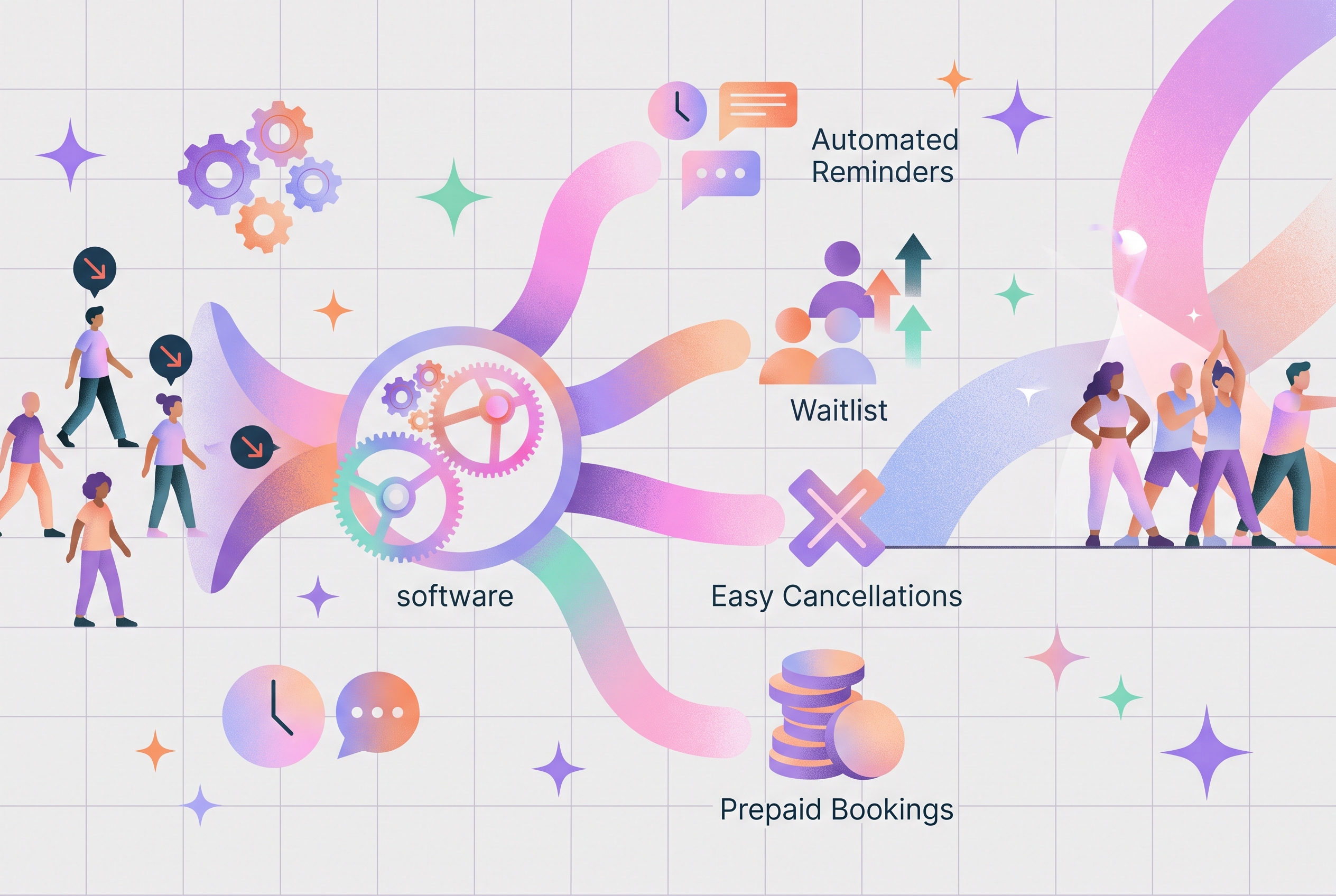
To run all of this without drowning in admin, you'll want a platform that handles bookings, waitlists, recurring payments, class capacity, programming and automated member messaging in one place. That's exactly what LegitFit is built for, and it's how the gyms above manage their small group training day to day.
Frequently asked questions
What is small group training in a gym?
Small group training is one coach training three to ten members through a programmed, semi-personalized session. It's more personal than a class and more affordable than one-to-one personal training.
How many people are in a small group training session?
Usually between three and ten. Many owners find four to eight is the sweet spot for keeping sessions personal while still building energy and community.
Is small group training profitable?
Yes. One coach earns from several members at once, so revenue per coaching hour is typically higher than one-to-one training, while retention tends to be stronger than large classes.
Is small group training better than personal training?
It depends on the goal. One-to-one is the most personalized; small group training keeps much of that personalization while adding community and a lower price, which often means better retention for your business.
How much should I charge for small group training?
Price it between your one-to-one and class rates, based on your market, coach costs and the value you deliver. Recurring memberships work better than one-off sessions for predictable revenue.
What's the difference between small group training and a group fitness class?
Group classes are larger, often drop-in and led at one pace. Small group training is smaller, usually pre-booked or membership-based, and individually scaled and tracked for each member.
Small groups, big upside
Small group training gives you the rare combination of happier members and a healthier business: real coaching, real community, and stronger margins than the models on either side of it. If you've been looking for a way to grow without stretching your team or your space, it's one of the best places to start.
Want to learn more? LegitFit helps fitness businesses reduce admin, increase revenue, and build stronger communities. Ready to grow your business?



.jpeg)

.jpg)


Helping fitness business from day one
Trusted by fitness professionals worldwide to simplify day-to-day management and accelerate fitness business growth with clear, proven results.
Get demo & pricing